


June was the month of the summer solstice – the true longest day of the year – usually the 21st, – and the pagan feast of Litha, when natural forces are considered to be at their peak.
Will Shakespeare set his ‘Midsummer Night’s Dream’ in the forest of Athens, but he was most familiar with the Forest of Arden, and probably thought all forests were places of mysterious shadows, wild and magical events. Most countryfolk feel safe in the woods, and tend to be wary of urban environments, but city dwellers can get a bit nervous in the unlit darkness of woodlands at night. The screech of owls, the bark of foxes and the progress of deer and badgers can seem to be a threat when people have no idea what’s making the sounds that are so rarely heard in the towns.
Shakespeare used woods and forests to create sinister atmospheres for his plays. Since then, they have been stock locations for magical encounters involving wolves and little girls, witches with edible houses and unwary children, and picnicking teddy bears. Stephen Sondheim created a musical by mashing up several traditional fairytales, and didn’t pull any punches when it came to the darker side of human nature. Disney, of course, made sure that none of such ‘punches’ remained in their cinematic version of ‘Into the Woods’.
We modern people prefer not to be seen to pay any attention to superstitions or ‘unscientific’ traditions. Some of us laugh at New Age shamanism, modern Wicca, and even Homoeopathy, because scientists say there’s no proof that any of them provide any benefit whatsoever. The funny thing is that for some people (and even for animals) these ‘old country ways’ work quite effectively despite science having proven they don’t. The folk remedies of ‘wise-women’ who recommend old-fashioned treatments for common ailments often defy scientific explanations. Chamomile teething granules calm distressed babies, homoeopathic Arnica ointment has a positive effect on bruising both in humans and animals. And even though science claims it simply does not work, some employees of Thames Water successfully use water-divining to locate leaks. Thames Water do use scientifically proven technical equipment but have gone on record stating that some of their employees use dowsing with equal results.
Dowsing may have existed for thousands of years, and those who have claimed to have the gift usually chose a forked twig in the shape of a capital letter ‘Y’ held in front of them, each hand on a separate one of the branches, and then searched the ground until the twig moved to indicate the position of the item being sought. In this way the ‘diviner’ would find metal, water or even a lost object of almost any material, as if by magic.
From the seventeenth century the Christian church has attempted to ban dowsing as an occult and even a satanic act.
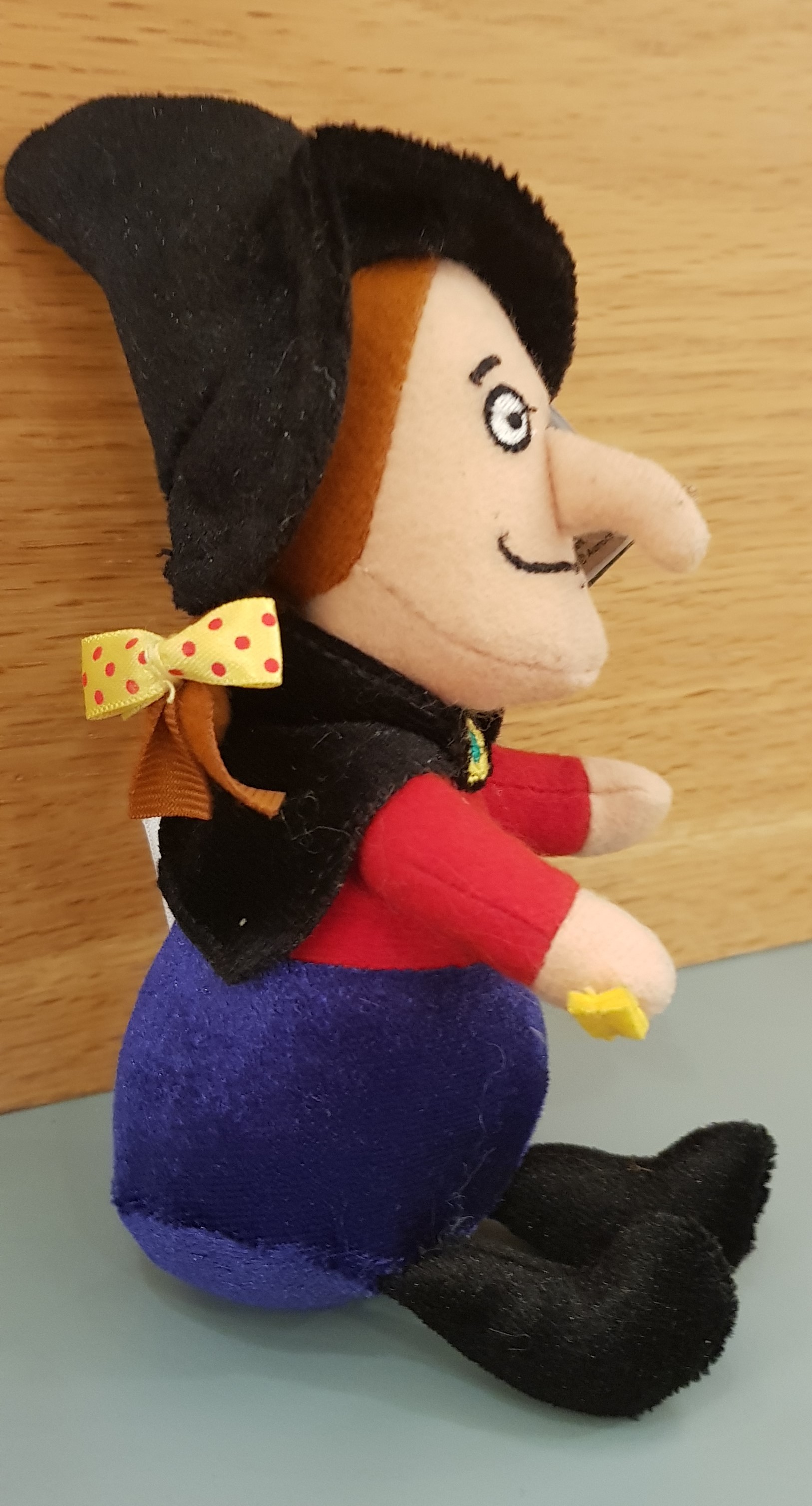
Most popular ideas of witchcraft tend to feature a coven or circle of witches who dance around a bonfire, possibly led by a high priest, and culminating in an orgy. This is not really quite as common as the continued and quiet existence in rural areas of people – most often women – who style themselves ‘hedge-witches’ who study folklore and herbal medicines. In the past many of these women were accepted as vital members of village communities and attended births and deaths to carry out the work now performed by medically trained doctors and nurses.
The traditional Hippocratic oath of scientific medicine begins with the first principle of doing no harm. Even though witchcraft may be as futile as buying a lottery ticket, it may do no harm too!
Support your local witch!
To keep up to date with what´s going on in town, feel free to join our Facebook group by clicking here
0 comments on “Country Matters by Arrowsmith: Midsummer Witchcraft”