


Back in my childhood summers I’d cheerfully take to warm Cotswold harvest dusks, breathe in the scents of fruit and cereal crops, and watch the sky fill with the brightest stars of the constellations, then nestle in the bed of the Milky Way. As twilight faded over the midges, I could hear the radar of their predators, the bats, with few interruptions from the rare movements of road, rail or air travellers. I became familiar with the Big Dipper and Orion as night fell. After more than half a century – from the same spot and eight hours later into night- I can now see how our ancestors learned astronomy to turn the rotation of the planet Earth to observe the time of night and day and mark the seasons of the year.
Stonehenge and Avebury’s palaeolithic remains show how humans took notice of the sky to know what they might expect (and when) nature had in store. There have always been variations in patterns of crop harvests which regularly fluctuated every second year and predict the strange seventeen-year emergences of Cicadas. Climate change events such as complete loss of Tropical flora and fauna characterised Cirencester’s location after about 355 million years ago. Ice Ages and Glacial periods came and went many times between two and a half million years ago until the ‘Little Ice Age’ from 1300 to 1850!
Human behaviour has turned a cycle of natural change into the potential end of habitability in previously pleasant parts of the planet. It’s considered that much of Africa, India, Pakistan, and the Middle East will become uninhabitable by the middle of this century. Within little more than twenty further years, the planet’s suitability for our population, and our capacity to produce resources will have reduced 20% from our current position.
When Jethro takes me out this morning, I shall – if I’m not prevented by light pollution or occlusion by cloud, due to warfare, aviation or industry – see little of what I saw all those years ago. I no longer hear the bats. I’m not sure they’re there as much as they were in my younger summer evenings.
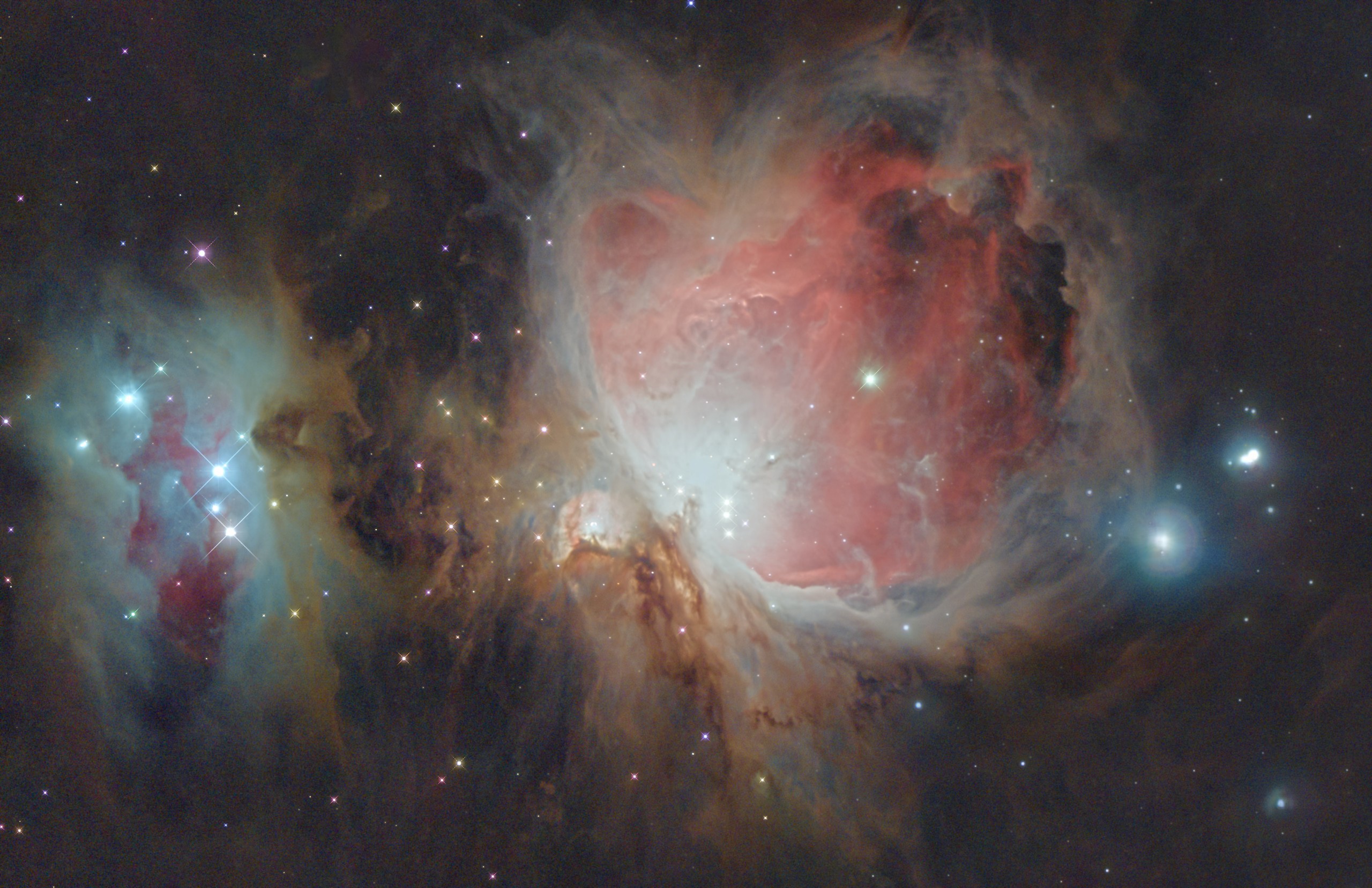
Cirencester resident, Graeme Healey is a skilled Astronomer whose ability to observe what few of us can dream of seeing is rooted in the technology the science of physics affords us to capture images beyond the capability of the human eye can see. Just as I can only hear bats and high-pitched birds when I use a device that changes the frequency of the sounds they make, when it comes to seeing what is out there in the sky a lot of cameras can only do so by using a long exposure. Not only does the length of time focusing on the object you wish to see matter, but there are sensors which can detect light frequencies invisible to our human eyes. We can’t see infra-red, but thermal cameras do so routinely. Similarly, Ultraviolet and X-rays can be seen with specialist equipment. Computer programs can steer telescopic cameras to track the universe immune to our influence except to upon our own planet.
With the intervention of digital scientific equipment, pictures can be made which delete the images of aircraft navigation lights and satellites. We would do well to look up, see what we ignore, and be mindful of what we censor. This month’s picture is The Orion Nebula by Graeme Healey.
To keep up to date with what´s going on in town, feel free to join our Facebook group by clicking here. To advertise with the magazine check out the Rates & Media Pack – Ciren Scene!
0 comments on “Country Matters by Arrowsmith Nov 26: Space”