

Once upon a time, insects had about three quarters of a metre (two-foot six) wingspans, and the Earth was very different from how it’s been lately. Now it’s about to become entirely different.
Obviously, (as we’ve seen) the weather’s changing radically. Although we haven’t any records of weather-data back to the days when insects were huge, three million years ago, we do know the land we think of as Gloucestershire has been as hot as the tropics (with Rhinos and other hot climate residents) and as cold as the polar regions (with Mammoths woollier than Cotswold Lion sheep!).
We tend to believe that change is a slow and gradual process. Then we hear that octopuses are becoming so prolific along the English Channel that crabs and lobsters are becoming taken away from our fishing industry. What else is disappearing? This year you might be delighted to hear that wasps are suffering from a sequence of spring floods, unexpected sudden cold spells and the subsequent unprecedented droughts and heatwaves which have killed colonies of both wasps and even the more aggressive European Hornet.
The far less unpopular bees – both Apis Mellifera (Honeybee) and the wider variety of Bumble Bees – are also suffering. When the temperature exceeds forty degrees Celsius, the heat generated by their flying muscles threatens British bees with the risk of cooking their own bodies.
For decades, low-risk scorpions have crossed the English Channel to Kent. They are fascinating and can be spotted at night because they glow under ultraviolet light. But with climate change, we are beginning to see the arrival of plants and animals once regarded as natural inhabitants of other countries. Euscorpius Flavicaudis are no worse than the bad old British wasps.
Regardless of our deliberately reintroducing beavers and wild boars (even wolves) there’s not a lot we can do to stop the arrival of things that get here by blowing like seeds in the wind, flying or swimming ‘under their own steam’, or even escaping from stuff we import from far-off places.
Amongst the arrivals in 2026 have been birds, butterflies, beetles and moths. Citizen scientists are diligent in trying to detect changes in natural phenomena. But it should not be ignored that reports from citizens can be altered a bit if the weather discourages them from sticking around to observe what is happening in the rain, hail or snow.
I must admit the Arrowsmith household has been trying to imagine that the slugs in the garden don’t matter. They seem to be diminishing. We haven’t seen much of them since drought has been replaced by drought. Mice, shrews and rats aren’t being terribly obvious. Flies aren’t much of a nuisance. We think spiders are getting hungry.
Beetles, ladybirds and things like aphids, ants and shield bugs aren’t attending the place as usual.
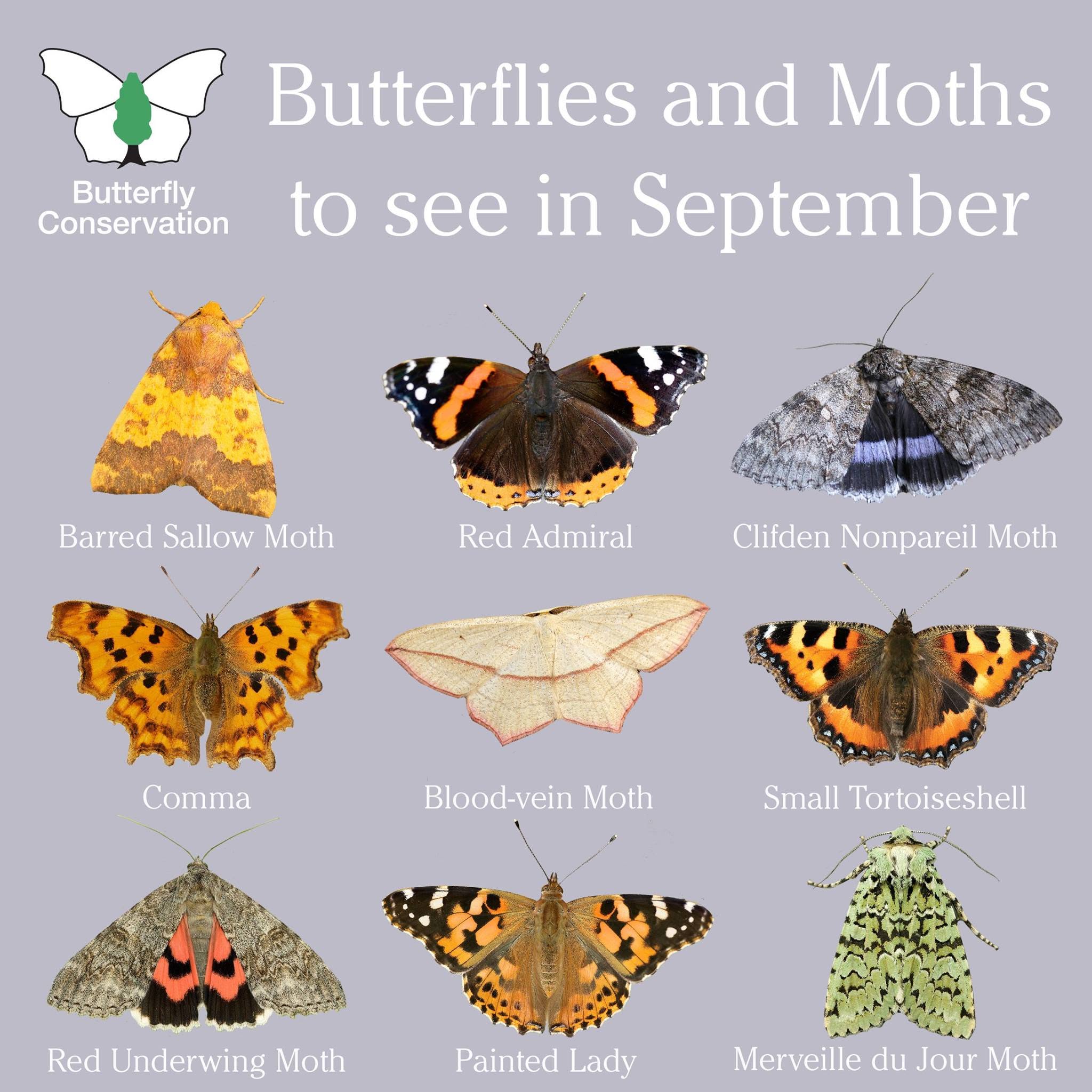
But some butterflies and moths really have rallied this year. We thought we might never see some types again. Happy to see many fewer clothes moths, we were delighted to see lots more Painted Lady, Red Admirals and Gatekeeper butterflies. Particularly, the Large Blue Butterfly appeared very early near Daneway Banks this year, and (most startlingly) I saw a Hummingbird Hawk-Moth.
Unsure of its gender – or whether it was some kind of bird – I realised: next year could bring anything. Jersey Tiger-Moths are coming into Britain. Other moths and butterflies aren’t bothering to migrate away. They are opting for staycations.
Is there going to be space where we humans can hope to stay? Or shall the butterflies take it all over, because we’ve made it all uninhabitable?
To keep up to date with what´s going on in town, feel free to join our Facebook group by clicking here. To advertise with the magazine check out the Rates & Media Pack – Ciren Scene!
0 comments on “Country Matters by Arrowsmith Sept 26: Butterflies”